
Are overwater bungalows safe for toddlers and small children?
(2026 Parent Blueprint)
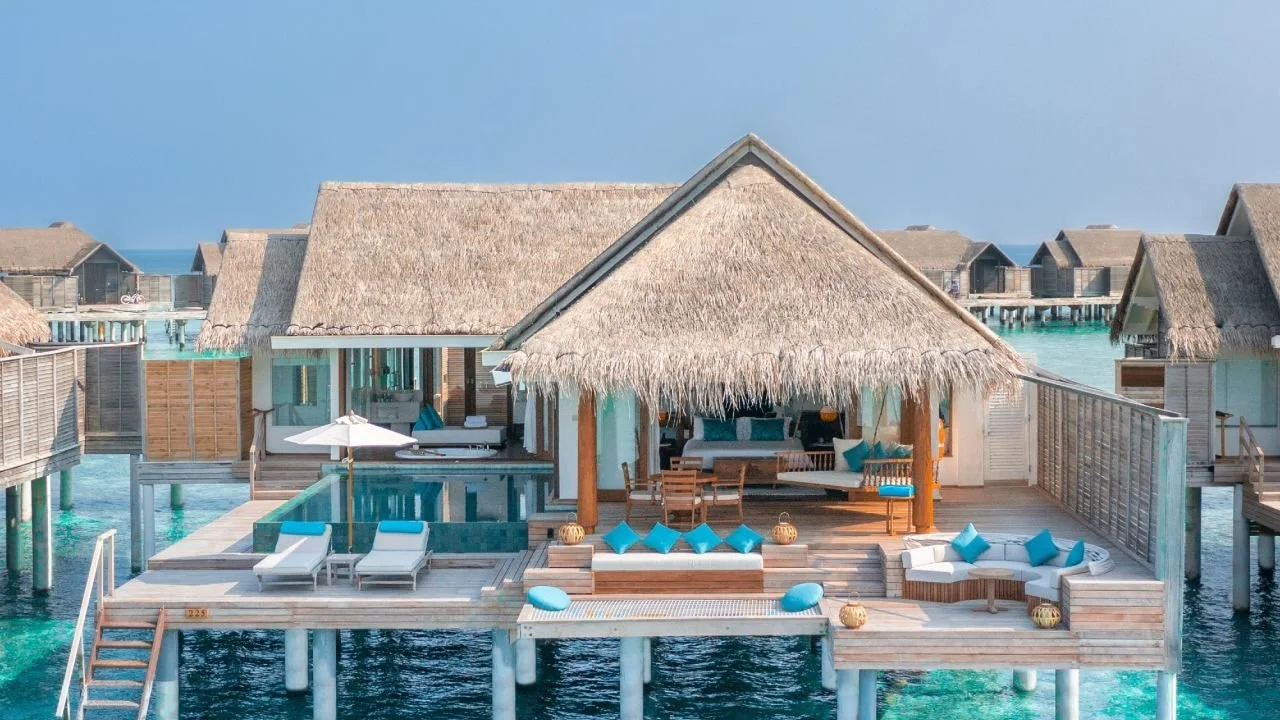
You are staring at a jaw-dropping picture of a luxury villa floating over neon-blue water. It looks like absolute paradise. Then, your two-year-old throws a plastic toy car across the living room and slams their head into the coffee table.
Panic sets in. You realize that gorgeous wooden deck in the picture doesn’t have a fence. It just drops straight off into the ocean.
Table of Contents
ToggleSuddenly, your dream vacation feels like a high-stakes horror movie. You open Google. You type: Are overwater bungalows safe for toddlers and small children? You find nothing but generic mommy blogs saying “just watch them closely!” or cold corporate resort websites making you sign giant liability waivers before check-in.
It is completely overwhelming. You want that bucket-list trip, but you don’t want to spend seven days in a state of pure, adrenaline-fueled terror.
I am Ismail Naazim. I am a Maldivian native who grew up on these islands, and I audit luxury resort infrastructures for a living. I have seen the exact gaps between beautiful architectural design and the chaotic reality of a traveling family. Let’s do a raw, honest safety and logistical audit of the best water bungalows 2026 market for families. No corporate PR speak. Just real talk from someone who knows these structures inside out.
1. The Global Geography of Family Safety: Lagoon Physics 101
You cannot just look at a pretty room picture. You have to understand the ocean floor beneath the villa. The physics of the lagoon dictates how dangerous a fall actually is for a clumsy toddler.
The Maldives: Shallow, Flat, Reef-Protected Safetynets
In the Maldives, our geographic setup is unique. The luxury overwater villas are built inside wide, shallow lagoons protected by thick outer atoll reef rings.
The water underneath your villa deck is often only waist-deep for an adult (around 3 to 4 feet) during low tide. The bottom is usually incredibly soft, fine coral sand. If a child drops a toy or slips, it is a controlled environment. However, some resorts are built right on the “reef drop-off” edge where the water instantly plunges to twenty feet deep for dramatic snorkeling. For families, you must avoid these shelf-edge properties completely.
Bora Bora: Deeper Water and Stronger Tidal Flushes
Bora Bora is iconic, but its volcanic lagoon structure is very different. The water around many overwater clusters drops off much faster, often averaging 5 to 8 feet deep right off the lower deck ladder.
The currents inside the main lagoon channels can also be quite powerful during tidal flushes. This means if a small child falls into the water, they can be swept away from the villa platform faster than you can jump in after them.
The Caribbean: High Decks and Unpredictable Atlantic Swells
The Caribbean has built amazing overwater suites recently in Jamaica, St. Lucia, and Belize. Because these regions face seasonal tropical storms, the villas are engineered much higher off the water line.
A fall from a Caribbean overwater deck is often a 6-to-8-foot drop into the water. That impact alone is dangerous for a small child. Plus, coastal swells can create choppy surface conditions that make swimming tough for young kids.
2. Transit Logistics: The Meltdown Factor with Small Kids
Getting your family across the world to a remote water bungalow is an Olympic sport. If you don’t plan the transit layers correctly, your kids will be completely exhausted before you even step onto the resort jetty.
Seaplane vs Speedboat Logistics with Toddlers
If you choose the Maldives, this choice will make or break your sanity.
The Seaplane Nightmare: Properties in remote northern or southern atolls require a Twin Otter seaplane transfer. Sounds romantic? Try sitting in a tiny, cramped, boiling-hot cabin with a screaming, jet-lagged toddler for 45 minutes. The engine noise is deafening—you must bring high-quality noise-canceling headphones for your kids. Also, remember that if your flight arrives in Malé after 3:30 PM, seaplanes cannot fly. You are stuck spending a miserable night at a crowded transit hotel.
The Speedboat Savior: Resorts in the North or South Malé Atolls let you bypass the seaplane madness completely. You walk out of the terminal, step directly onto a luxury air-conditioned speed cruiser, and you are sliding into your villa within thirty minutes. No baggage weight limits. No waiting in hot lounges.
Native Perspective: If you are traveling with kids under five, always prioritize speedboat resorts. The administrative hassle of coordinating seaplane times with cranky children is simply not worth the view.
3. Villa Anatomy: Running a Safety Audit on the Architecture
Let’s look past the gorgeous interior design. When you are doing overwater bungalow privacy audits or safety checks, you need to look at the villa like a code inspector.
The Illusion of “Childproofed” Decks
Most high-end luxury resorts will tell you they can “childproof” your overwater deck by installing temporary plastic netting or wooden barriers along the railings.
But here is the industry secret they won’t tell you: those temporary nets are often attached with zip-ties or simple tension ropes. A determined, heavy three-year-old leaning or pushing against them can easily find gaps.
The Insider’s Checklist for Family Villa Features
Before you pay a massive non-refundable deposit, email the resort reservation team and demand answers to these specific layout questions:
[ ] What is the spacing between vertical railing slats? If the gaps are wider than 4 inches, a toddler’s head or body can slip right through. Many older luxury properties use wide, horizontal cable wire railings that act like a perfect ladder for an adventurous child to climb over.
[ ] Are there interior glass floor panels? Kids love looking through these to see fish. But ensure the glass frame is perfectly flush with the wooden floorboards. If there is a raised metal lip, your child will trip over it constantly.
[ ] Do the ocean-facing glass sliding doors have secondary top-bolts? This is your main line of defense. A standard toddler can easily learn how to slide open a heavy glass door when you are in the bathroom. You need a deadbolt located at least 5.5 feet high that they cannot reach.
[ ] What is the Sunrise vs. Sunset Orientation temperature impact? Sunrise villas get incredibly hot by 9:00 AM. If your toddler takes mid-day naps, the intense heat hitting the glass doors can make the bedroom stuffy, causing your AC unit to struggle and leading to a grumpy, overtired kid.
Soundproofing and Layout Flaws
Overwater villas are built on wooden poles over moving water. Sound travels through wood beautifully. If your toddler is a light sleeper, every wave slapping against the pilings or every golf cart driving past on the main wooden jetty will wake them up. Look for modern concrete-cored foundations rather than old-fashioned loose timber structures if you want decent sound insulation.
4. Financial Reality: Surcharges and Child Dinner Plans
Don’t let the luxury dream blind you to the financial operational costs of traveling with kids to an isolated reef island. Everything must be imported, and you will pay a massive premium for it.
All-Inclusive vs Half-Board Maldives for Families
Choosing your food strategy is critical when traveling with children who have unpredictable appetites.
Half-Board Pitfall: This covers breakfast and dinner. If your child gets hungry at 1:00 PM and wants a simple bowl of chicken nuggets or French fries, you will be ordering from the A La Carte pool menu. A basic kids’ meal can easily cost $45 USD before taxes. Add a couple of juices and waters, and your casual lunch bill is suddenly $150.
Premium All-Inclusive: Properties that focus on families often offer plans where kids under a certain age eat entirely free from the kids’ menus, and all snacks, ice creams, and soft drinks are fully covered. This gives you total predictability. Your kid can take two bites of a burger and refuse the rest, and you won’t feel like you just threw fifty dollars directly into the ocean.
The Hidden Family Costs
The Extra Bed Surcharge: Many luxury overwater villas list their base price for two adults. If you bring a toddler who needs a crib or a rollaway bed, resorts routinely slap on a “third occupant” fee ranging from $150 to $300 USD per night, even for a two-year-old.
Babysitting Premium Rates: If you want a romantic dinner alone while your child sleeps, you will use the resort’s private babysitting service. Because these are isolated islands, rates are high—often $40 to $60 USD per hour, with mandatory late-night taxi allowances for the staff added to your bill.
The Compounding 26% Tax: Never forget that in the Maldives, a 10% service charge and 16% tourism tax are added to everything. That babysitting bill or kids’ lunch isn’t the price you see on the menu—it is twenty-six percent higher.
5. Environmental Responsibility: Living Safely Atop a Micro-Ecosystem
When you live over the water with kids, your daily habits can directly impact the fragile coral reef beneath your feet. It is an amazing educational opportunity for your children, but it requires serious awareness.
The Falling Toy Hazard
Toddlers drop things. It’s what they do. If your child drops a cheap plastic action figure or a synthetic sand bucket off your overwater deck, that plastic enters a highly protected marine reserve.
Our resident sea turtles, parrotfish, and eagle rays mistake colorful plastic for food. If you are staying in a water bungalow, make a strict family rule: only wood or natural biodegradable toys are allowed on the outdoor deck. ### Sunscreen Chemical Bleaching If your kids are splashing into the lagoon right from your villa steps, the skincare products you put on them matter immensely. Standard chemical sunscreens contain oxybenzone, which instantly bleaches and kills coral polyps in confined lagoon spaces.
Resorts enforce strict rules regarding reef-safe mineral sunscreens. Buy your zinc-based sunscreens before you leave home, as buying a tiny tube at a resort boutique will run you around $50 USD.
The Ultimate Verdict: Should You Book It or Skip It?
Skip the Overwater Villa if: Your child is an active climber, prone to sleepwalking, or you are easily stressed out by the sight of open ledges. The constant anxiety will completely destroy your ability to relax.
Book a Beach Villa First, Split the Stay: This is the ultimate insider strategy used by smart luxury travelers. Book a gorgeous beach villa nestled inside the jungle bushes for the first four nights. Your kids can run around safely on the sand, completely fenced in by natural tropical vegetation. Then, move to a luxury overwater villa for the final two nights once your family has adjusted to the time zone and settled down.
Choose Family-Centric Brands Only: If you absolutely must have that water bungalow experience with a toddler, only book properties like Soneva Fushi or OZEN Reserve Bolifushi. These specific resorts build dedicated, highly secure family water suites with integrated safety gates, heavy-duty sliding lock systems, and world-class kid clubs that keep your children safe while you enjoy the view.
The water is clear, the fish are waiting, but safety always comes first.
To see exactly how a premium property integrates family-oriented layouts and structural designs into an isolated island setting, take a look at this inside look at Family Beach and Overwater Estates. It shows how top-tier resorts balance high luxury with open spaces, giving you a clear visual guide on what to expect before moving your family onto a floating wooden platform.
Leave Your Review Here
There are no reviews yet. Be the first one to write one.
Water Bungalows That You May Also Like


